
E-mail: [email protected]
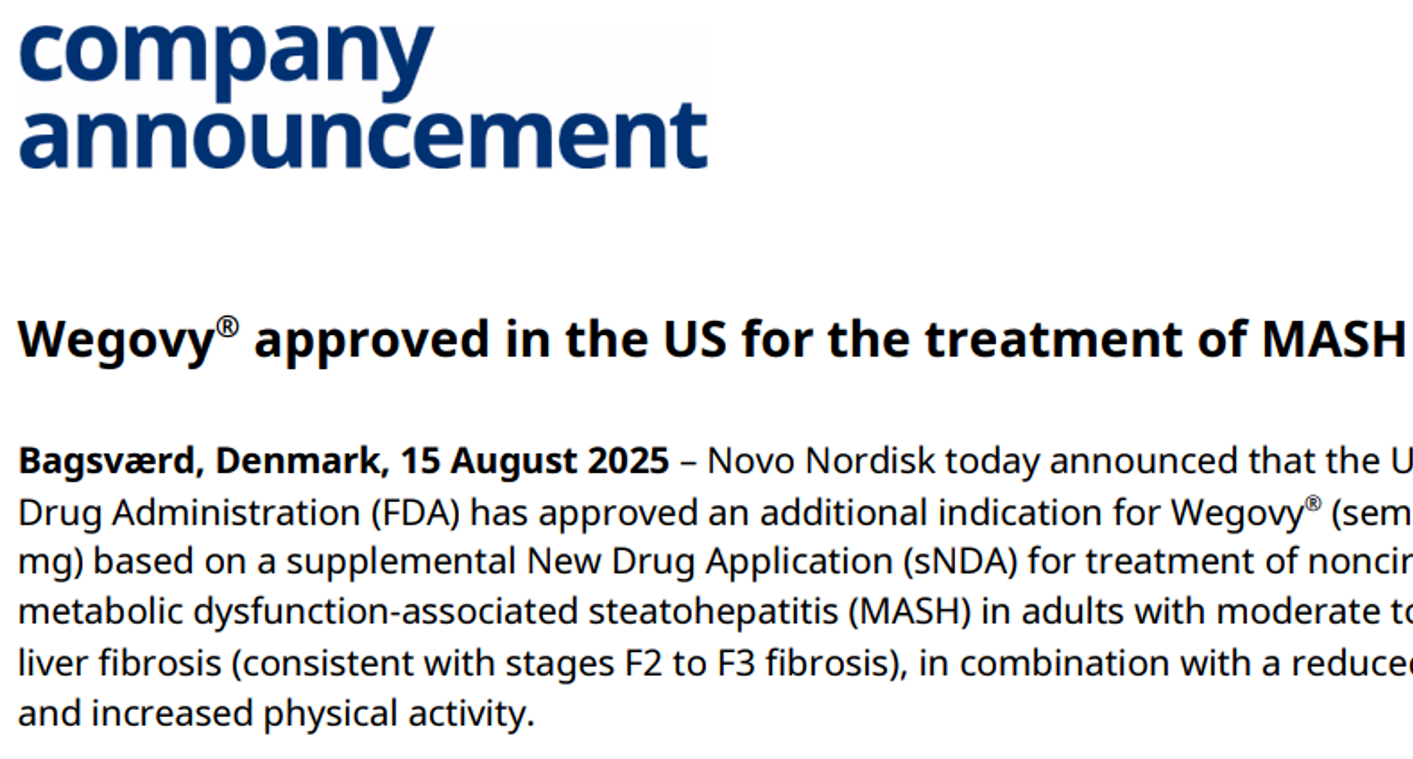
The U.S. Food and Drug Administration (FDA) today granted accelerated approval for a new indication for semaglutide injection 2.4 mg, marking a historic milestone in the treatment of metabolic dysfunction-associated steatohepatitis (MASH).
Semaglutide is now the first and only glucagon-like peptide-1 receptor agonist (GLP-1 RA) approved by the FDA to treat adults with MASH who have moderate to advanced liver scarring (fibrosis), but have not yet developed cirrhosis. This treatment is intended for use in conjunction with a reduced-calorie diet and increased physical activity.
The Impact of MASH
MASH is a serious and potentially life-threatening form of fatty liver disease. In the United States, it affects approximately one in 20 people. Because MASH is often asymptomatic in its early stages, many individuals remain undiagnosed until the disease has progressed to a critical state.
Unmanaged MASH can lead to inflammation and severe liver scarring, with approximately 20% of cases progressing to cirrhosis. It is currently a leading cause of cirrhosis among U.S. adults and the second most common reason for liver transplants in the country. Furthermore, with one in three individuals living with overweight or obesity globally affected by MASH, the need for effective treatment options has never been more urgent.
Clinical Excellence: Insights from the ESSENCE Trial
The FDA’s decision is based on compelling data from Part 1 of the Phase 3 ESSENCE trial. This study evaluated the effects of once-weekly semaglutide 2.4 mg on the liver histology of adults with MASH and Stage F2 to F3 fibrosis.
At Week 72, the results demonstrated that semaglutide significantly outperformed placebo across multiple histological endpoints:
Resolution of Steatohepatitis: 63% of participants treated with semaglutide achieved resolution of inflammation with no worsening of liver fibrosis, compared to 34% in the placebo group.
Improvement in Fibrosis: 37% of the semaglutide group achieved significant improvement in liver scarring without worsening of steatohepatitis, nearly double the 22% observed with placebo.
Dual Success: 33% of patients achieved both primary endpoints simultaneously, compared to 16% on placebo.
A high percentage of patients (83.5%) maintained the target 2.4 mg dose throughout the 72-week study period. The ongoing Part 2 of the ESSENCE trial will continue for a total of 240 weeks to confirm the long-term clinical benefits of semaglutide in reducing liver-related events.
A Versatile Therapeutic Portfolio
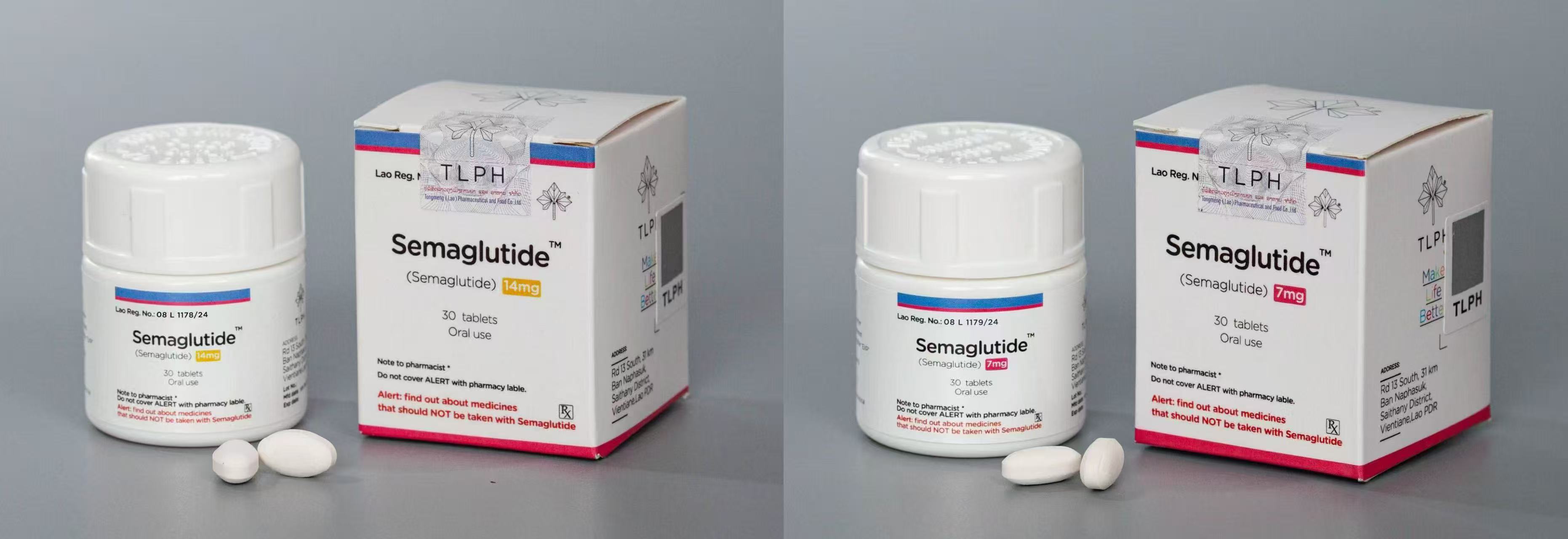
This new indication reinforces the clinical utility of semaglutide across a spectrum of chronic conditions. Semaglutide 2.4 mg is already indicated for:
Cardiovascular Risk Reduction: Reducing the risk of major adverse cardiovascular events (MACE), such as heart attack, stroke, or cardiovascular death, in adults with known heart disease and obesity or overweight.
Chronic Weight Management: Helping adults and children aged 12 and older with obesity or overweight lose and maintain excess body weight.
Important Safety Information
Semaglutide 2.4 mg should not be used in combination with other semaglutide-containing products or other GLP-1 RA medicines. The medication carries a boxed warning regarding the potential risk of thyroid C-cell tumors. Common side effects include nausea, diarrhea, vomiting, and constipation. Patients should consult their healthcare providers regarding potential risks such as pancreatitis, gallbladder problems, and hypoglycemia.





 Address: Rd.13 South, 31 km Ban Naphasuk,
SaithanyDistrict, Vientiane, Lao PDR
Address: Rd.13 South, 31 km Ban Naphasuk,
SaithanyDistrict, Vientiane, Lao PDR  E-mail:
  WeChat: TLPH01 Whatsapp:+856 20 76 814 389
  Website: https: //tlph.com.la